
How Lottery Generators Work: Complete Guide
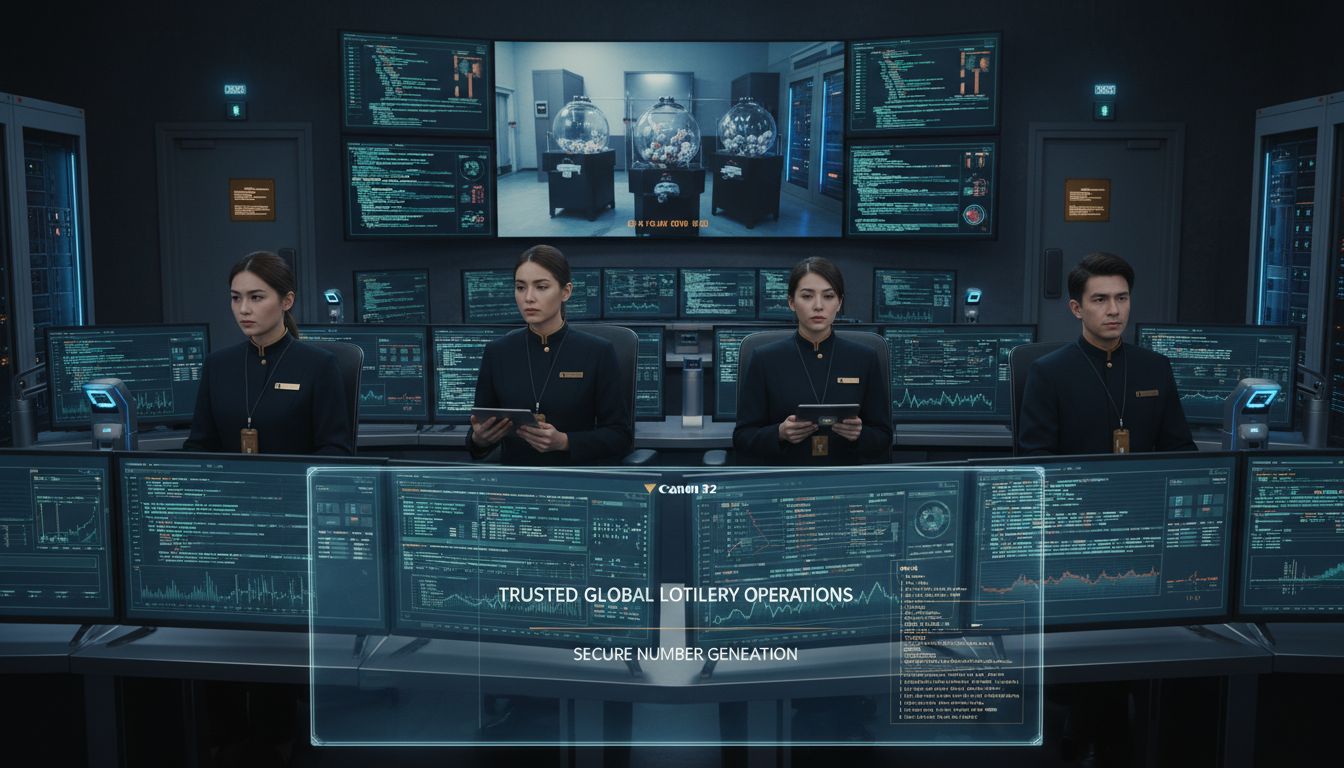
Did you know that over half of frequent lottery players now rely on number generators to choose their tickets? The science behind these systems is changing how people approach lottery games, moving past lucky guesses and toward carefully crafted algorithms. By understanding how these generators work, from simple digital tools to advanced quantum systems, you can better grasp what shapes the numbers you play and the fairness behind each drawing.
Table of Contents
- Defining Lottery Number Generators And Core Concepts
- Types Of Lottery Generators And Their Distinct Features
- How Lottery Generators Produce Random Combinations
- Security, Fairness, And Legal Considerations
- Mistakes To Avoid When Using Generators
Key Takeaways
| Point | Details |
|---|---|
| Understanding Generators | Lottery number generators, including algorithmic and true random types, offer distinct advantages in number selection, influencing randomness and predictability. |
| Security and Fairness | Advanced technologies, including blockchain and cryptographic techniques, ensure transparency and regulatory compliance in lottery systems. |
| Common Pitfalls | Players often err by relying solely on one generation method; diversifying approaches enhances unpredictability and effectiveness. |
| Core Characteristics | Effective lottery generators should exhibit high entropy, uniform distribution, and fast computational speeds to ensure genuine randomness. |
Defining Lottery Number Generators and Core Concepts
A lottery number generator is a sophisticated algorithmic system designed to produce randomized numerical sequences for lottery ticket selection, transforming unpredictable chance into a structured selection process. Unlike traditional manual number picking methods, these generators leverage computational techniques to create number combinations that aim to simulate true randomness.
At its core, a lottery number generator operates through two primary mechanisms: pseudorandom number generation (PRNG) and true random number generation. Pseudorandom generators use mathematical algorithms to produce number sequences that appear random but are technically predetermined. These algorithms start with an initial seed value and then apply complex mathematical transformations to generate sequences that statistically resemble random distributions. Learn more about lottery number generation strategies.
The fundamental distinction between PRNGs and true random number generators lies in their source of randomness. While pseudorandom generators rely on computational logic, true random number generators derive their randomness from external physical phenomena like atmospheric noise, radioactive decay, or quantum mechanical processes. This means that true random generators, such as those used by services like Random.org, can produce genuinely unpredictable sequences that are mathematically more difficult to replicate or predict.
Key characteristics of effective lottery number generators include:
- High entropy (unpredictability)
- Uniform distribution of numbers
- No discernible pattern or repetition
- Ability to cover the entire possible number range
- Fast computational speed
By understanding these core concepts, lottery players can make more informed decisions about which number generation strategies might improve their chances of selecting winning combinations.

Types of Lottery Generators and Their Distinct Features
Lottery number generators come in multiple sophisticated variations, each with unique computational approaches designed to create randomized number sequences. These generators can be broadly categorized into algorithmic generators, statistical generators, and hybrid systems that combine multiple randomization techniques to produce more complex number selections.
The linear congruential generator (LCG) represents one of the most fundamental PRNG approaches in lottery number generation. These generators use linear mathematical equations to produce sequences of numbers, characterized by their computational simplicity and rapid processing speed. While LCGs are quick, they have limitations in true randomness, which leads more advanced systems to develop more complex generation methods. Explore our expert comparison of top lottery ticket generators to understand the nuanced differences between these systems.
More advanced generator types include combined linear congruential generators (CLCGs), which enhance randomness by integrating multiple generator algorithms. These sophisticated systems overcome individual generator weaknesses by combining different mathematical models, creating longer number sequences with improved statistical distribution. CLCGs represent a significant advancement in computational randomness, offering lottery players more robust number selection strategies.
Key generator types include:
- Algorithmic Generators: Use mathematical formulas to create number sequences
- Statistical Generators: Analyze historical lottery data to produce number combinations
- Hybrid Generators: Combine multiple randomization techniques
- Hardware Random Generators: Use physical phenomena to create truly random sequences
By understanding these generator types, lottery enthusiasts can make more informed decisions about which number selection strategy might offer the most promising approach to picking their next set of numbers.
Here’s a summary of the main types of lottery number generators:
| Generator Type | Source of Randomness | Key Features |
|---|---|---|
| Algorithmic Generator | Mathematical algorithms | Fast computation Predictable if seed known |
| Statistical Generator | Historical lottery data | Data-driven May reflect past trends |
| Hybrid Generator | Multiple randomization methods | Increased unpredictability Combines strengths |
| Hardware Random Generator | Physical phenomena | Genuine randomness High security |
How Lottery Generators Produce Random Combinations
Lottery number generators employ sophisticated methods to create truly random combinations, transforming mathematical algorithms and physical phenomena into unpredictable number sequences. These systems go far beyond simple guesswork, utilizing complex computational techniques and advanced randomization principles to simulate genuine chance.
Traditional mechanical lottery generators leverage physical processes to ensure randomness. These systems use principles like gravity and air mixing to tumble numbered balls, creating selections that appear genuinely unpredictable. Modern quantum random number generators represent a quantum leap in randomization technology, utilizing subatomic particle behavior to produce number sequences with unprecedented levels of unpredictability. Check out our precise lottery number generator to see these advanced techniques in action.
Two primary approaches dominate modern random combination generation: computational algorithms and physical phenomenon generators. Computational methods use complex mathematical formulas that start with an initial seed value and apply intricate transformations to produce seemingly random sequences. Physical phenomenon generators, by contrast, derive randomness from external sources like atmospheric noise, radioactive decay, or quantum mechanical interactions. These methods aim to create number combinations that have no discernible pattern or predictability.
Key characteristics of effective random combination generation include:
- Uniform distribution across all possible number ranges
- No detectable repetition or predictable sequences
- High computational speed
- Ability to generate large volumes of unique combinations
- Minimal bias or systematic predictability
By understanding these intricate generation methods, lottery players can appreciate the sophisticated science behind number selection and make more informed choices about their gaming strategies.
Security, Fairness, and Legal Considerations
Lottery number generators operate within a complex landscape of regulatory requirements, technological security protocols, and ethical considerations that ensure fair play and protect user interests. These systems must navigate stringent legal frameworks while maintaining absolute transparency and preventing potential manipulation of number generation processes.
Modern lottery technologies increasingly leverage advanced cryptographic techniques to guarantee the integrity of number generation. Blockchain-based lottery systems represent a cutting-edge approach to enhancing security, utilizing decentralized smart contracts that create immutable, transparent record-keeping. These systems eliminate potential human interference by creating mathematically verifiable randomness through distributed computational networks. Explore our comprehensive lottery security guide to understand how these advanced technologies protect player interests.
Legal considerations vary significantly across jurisdictions, with regulatory bodies imposing strict requirements on random number generation methods. Professional lottery organizations must demonstrate that their number generators meet specific statistical randomness standards, undergo regular independent audits, and provide verifiable evidence of non-predictability.
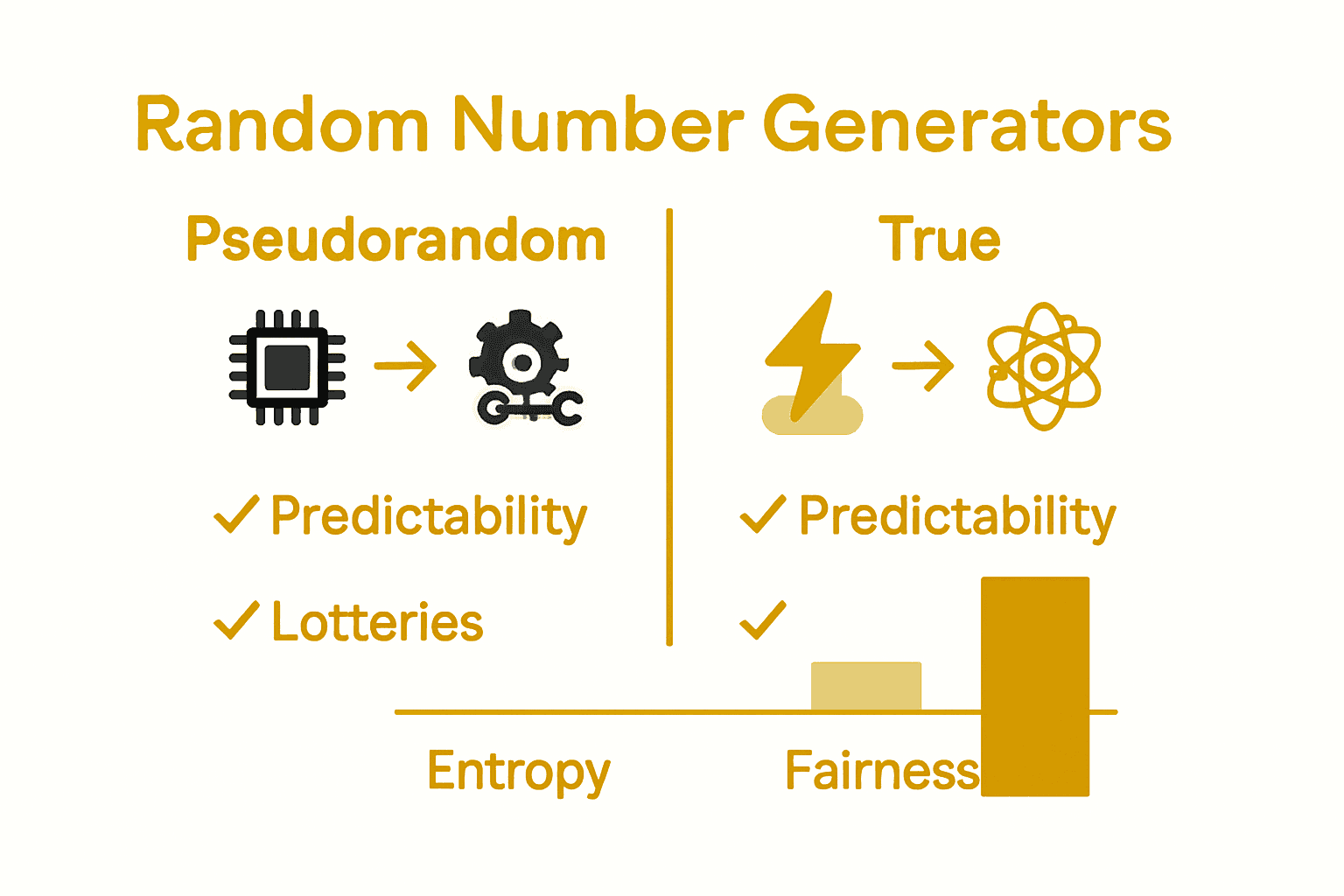 Pseudorandom number generators (PRNGs) used in cryptographic applications must pass rigorous testing to ensure they cannot be reverse-engineered or manipulated by external actors.
Key security and fairness principles include:
- Complete algorithmic transparency
- Independent third-party verification
- Compliance with international gaming regulations
- Protection against computational prediction
- Guaranteed mathematical randomness
- Zero tolerance for potential manipulation
By understanding these critical security mechanisms, lottery players can make informed decisions and trust that the number generation process remains fair, transparent, and mathematically sound.
Mistakes to Avoid When Using Generators
Lottery number generators can be powerful tools, but players often make critical errors that significantly reduce their effectiveness and potentially compromise their number selection strategy. Understanding these common pitfalls is essential for maximizing the potential of any number generation approach and avoiding predictable or ineffective number combinations.
One of the most significant mistakes is over-relying on a single generation method. Many players mistakenly believe that one generator or algorithm will consistently produce winning numbers. In reality, pseudorandom number generators (PRNGs) can exhibit subtle patterns and correlations, especially if the seed value remains unchanged or the algorithm is simplistic. Linear congruential generators, for instance, are particularly prone to generating predictable sequences that sophisticated analysis can potentially exploit. Use our advanced lottery number generator to diversify your number selection strategies and minimize predictability.
Another critical error involves misunderstanding the nature of randomness itself. Players often fall into the trap of believing that past generation results influence future outcomes, a cognitive bias known as the gambler’s fallacy. True random number generators produce independent selections, meaning each generated combination has an equal probability of occurring, regardless of previous results. Professional lottery strategists recommend regularly changing generation parameters, using multiple generator types, and avoiding fixed patterns or repetitive selection methods.
Key mistakes to avoid include:
- Using a single, predictable number generation method
- Believing in patterns or predictability in random selections
- Failing to understand the limitations of basic random generators
- Overlooking the importance of statistical distribution
- Relying exclusively on computational randomness
- Ignoring the need for periodic algorithm refreshment
By recognizing and avoiding these common pitfalls, lottery players can develop more sophisticated and nuanced approaches to number generation, ultimately improving their strategic decision-making process.
Master Lottery Number Generation with Expert Tools
Navigating the complexities of lottery number generators can be overwhelming. The article highlights challenges such as avoiding predictable sequences, understanding pseudorandom versus true randomness, and steering clear of common mistakes like relying on a single method or falling for the gambler’s fallacy. You want more than just random picks — you seek smart, data-driven strategies that improve your chances of winning by leveraging high entropy and advanced algorithms.

Take control of your lottery experience today by exploring LottoApex — a global platform designed to help you generate, simulate, and analyze winning numbers using cutting-edge probability models. Discover tools like its sophisticated number generator, odds calculators, and wheel systems that address the very risks detailed in the article. Don’t settle for guesswork. Visit LottoApex now and elevate your lottery strategy with solutions built on transparency, fairness, and mathematical rigor. Start generating smarter combinations and increase your confidence with each ticket you play.
Frequently Asked Questions
What is a lottery number generator?
A lottery number generator is an algorithmic system designed to produce random numerical sequences for selecting lottery tickets, providing a structured process for what is typically a chance-based game.
How do pseudorandom number generators differ from true random number generators?
Pseudorandom number generators use mathematical algorithms to create number sequences that appear random but are predetermined, while true random number generators derive their randomness from physical phenomena, ensuring genuine unpredictability.
What are the common types of lottery number generators?
Common types of lottery number generators include algorithmic generators, statistical generators, hybrid generators, and hardware random generators, each with distinct methods for producing random numbers.
What mistakes should I avoid when using lottery number generators?
Common mistakes include over-relying on a single generation method, misunderstanding randomness, ignoring statistical distribution, and failing to change generation parameters frequently.